
68 Harley Street London, W1G 7HE · Main Office
Also at Cromwell & Syon Bishops Wood · Multiple Locations
0203 9838 001 Call for Appointments
ella@oneheartclinic.com Rapid Response to Enquiries
Expert London Cardiologist for your Heart Health
Symptoms — Blackouts & Collapse
Syncope — a sudden, brief loss of consciousness — is frightening for patients and witnesses alike. While most episodes have a benign cause, some represent a warning sign of serious cardiac disease. Expert evaluation is essential to tell the difference and to prevent recurrence.

Understanding the Symptom
Syncope — commonly called a blackout or faint — is a transient, complete loss of consciousness caused by a temporary reduction in blood flow to the brain. It has a rapid onset, is brief, and is followed by spontaneous and full recovery. This distinguishes it from a seizure or stroke.
Syncope is extremely common, affecting around one in three people at some point in their lifetime. The vast majority of episodes are harmless vasovagal faints triggered by standing, heat, or anxiety. However, a significant minority are caused by cardiac arrhythmias or structural heart disease — conditions that can be life-threatening if left undiagnosed.
The key challenge — and the reason specialist evaluation matters — is that the history alone cannot always distinguish benign from dangerous syncope. A systematic approach using targeted investigations is needed to reach a confident diagnosis and guide safe treatment.

The Three Phases
Recognising what happens in each phase — and telling Dr Nijjer about it in detail — is one of the most valuable tools for reaching the right diagnosis. No symptom is too trivial to mention.
Types of Syncope
Syncope is not a diagnosis — it is a symptom with many possible causes. Understanding which category you fall into determines every subsequent investigation and treatment decision.
The classic faint — triggered by a nerve reflex that causes the heart to slow and blood vessels to dilate simultaneously, causing a sudden drop in blood pressure. Usually benign and self-limiting.
Caused by a sudden disturbance in the heart's rhythm (arrhythmia) or by structural heart disease severely limiting cardiac output. This is the most important cause to exclude — it can be a precursor to sudden cardiac death.
A fall in blood pressure when standing up, as the body's compensatory mechanisms fail to maintain adequate cerebral perfusion. Common in older patients and those on certain medications.
A subtype of reflex syncope triggered by a specific, reproducible action or stimulus that activates a nerve reflex pathway leading to a drop in blood pressure or heart rate.
When to Act Urgently
Most syncopal episodes are not dangerous, but certain features strongly suggest a cardiac cause that demands urgent investigation. If any of the following apply, you should seek prompt specialist assessment — do not wait for a routine appointment if symptoms are frequent or have occurred during exertion.
These features suggest a cardiac cause and should not be ignored
If you or someone you know has experienced syncope during exercise or without any warning, call the clinic directly on 0203 983 8001. Urgent assessment can usually be arranged within 48 hours.
Preparing for Your Appointment
The more precisely you can describe your episode — and the more detail a witness can provide — the more targeted the investigation. If someone witnessed your collapse, bring them to the appointment or ask them to write down what they observed.
Diagnostic Pathway
Investigation begins with a detailed history and physical examination — including lying and standing blood pressure measurements, which can diagnose orthostatic hypotension on the spot. A 12-lead ECG is performed at the initial consultation.
Further tests are selected based on the clinical picture, with the aim of either capturing an arrhythmia during a spontaneous episode or provoking and characterising the mechanism responsible for syncope.
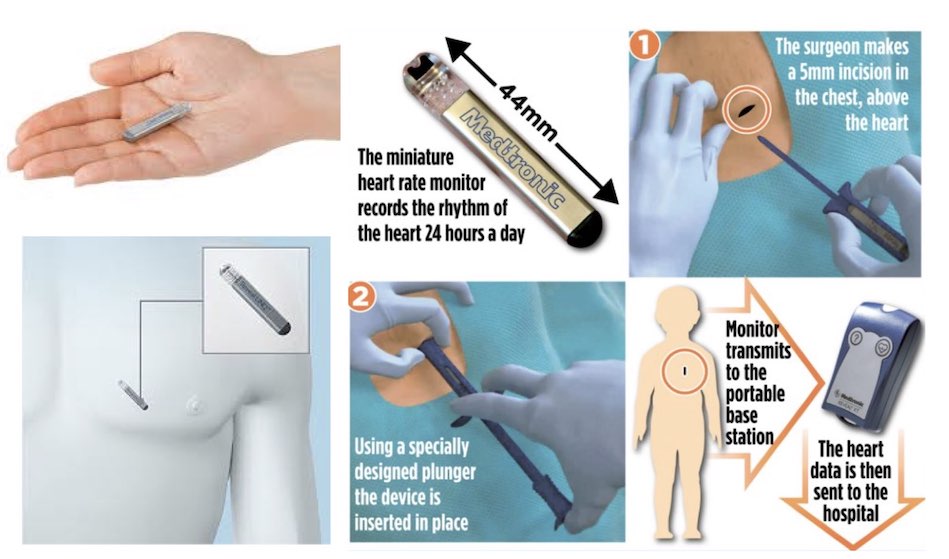
Management
Treatment is entirely dependent on the underlying cause. Reaching the correct diagnosis is therefore the most important step — it prevents unnecessary treatment for benign syncope and ensures patients with serious cardiac causes receive timely intervention.
Related Conditions & Investigations
Syncope should never be dismissed as simply a faint without expert evaluation. Dr Nijjer offers comprehensive cardiac assessment for blackouts and collapse — with urgent slots available within 48 hours for those with concerning features.